
Living in Toronto means enduring long, cold winters. As we have seen within the past few weeks with the polar vortex, winters are dipping down to past -30 degrees. If you have been feeling cold drafts seeping in, ask yourself: when was the last time you replaced your front doors? Installing the best doors for Toronto winters can greatly improve your home’s energy efficiency. In this blog post, we’ll discuss what factors to consider when choosing doors that can withstand harsh winters.
Understanding R-Value and Insulation
Before picking the best insulated front door for winter, it helps to understand what goes into the recommendations. A critical factor in determining whether or not a door is suitable for the winter is measuring its R-value.
The R-value indicates the thermal resistance of the door. The higher the value, the greater the material’s thermal resistance as seen in this chart below.
| Door Material | R-Value |
| Wood doors | 1, 2 |
| Insulated steel doors | 4, 5 |
| Fiberglass doors | 5, 6 |
Winter-rated doors make use of the best insulation methods and materials available. One of these materials is polyurethane foam cores, which decrease heat transfer due to their excellent thermal resistance.
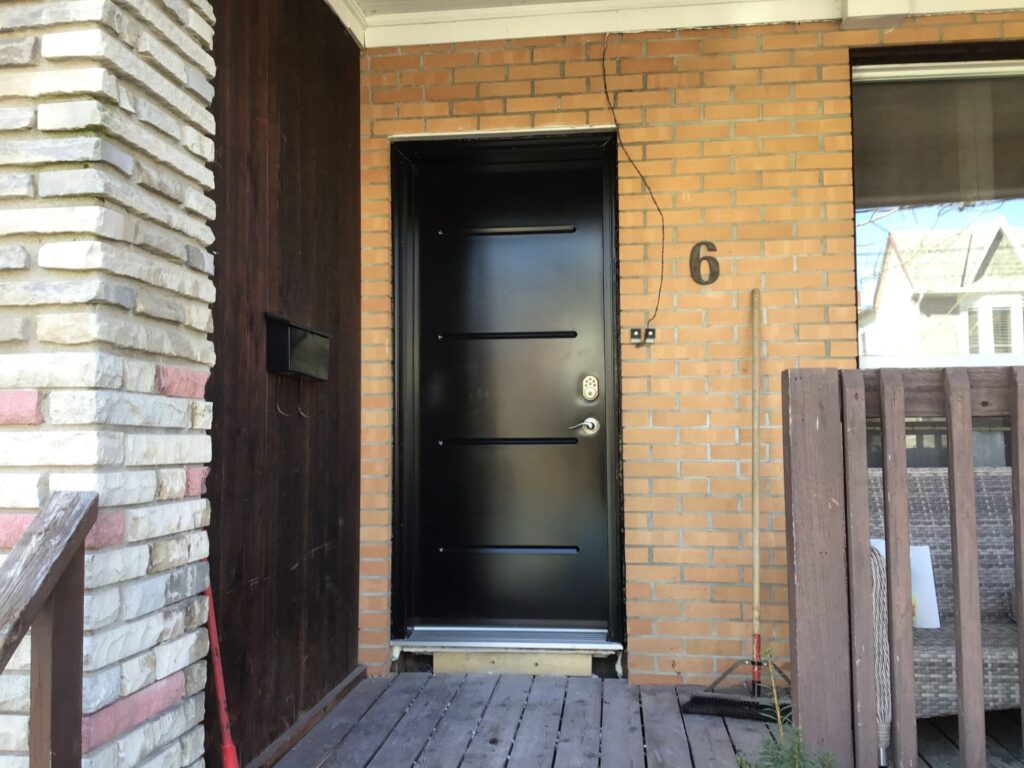
Exterior Door Materials Comparison
There are many materials that can be used in exterior doors for cold weather. In general, the factors that are going to matter the most are the material’s insulation, resistance, and durability.
Fiberglass
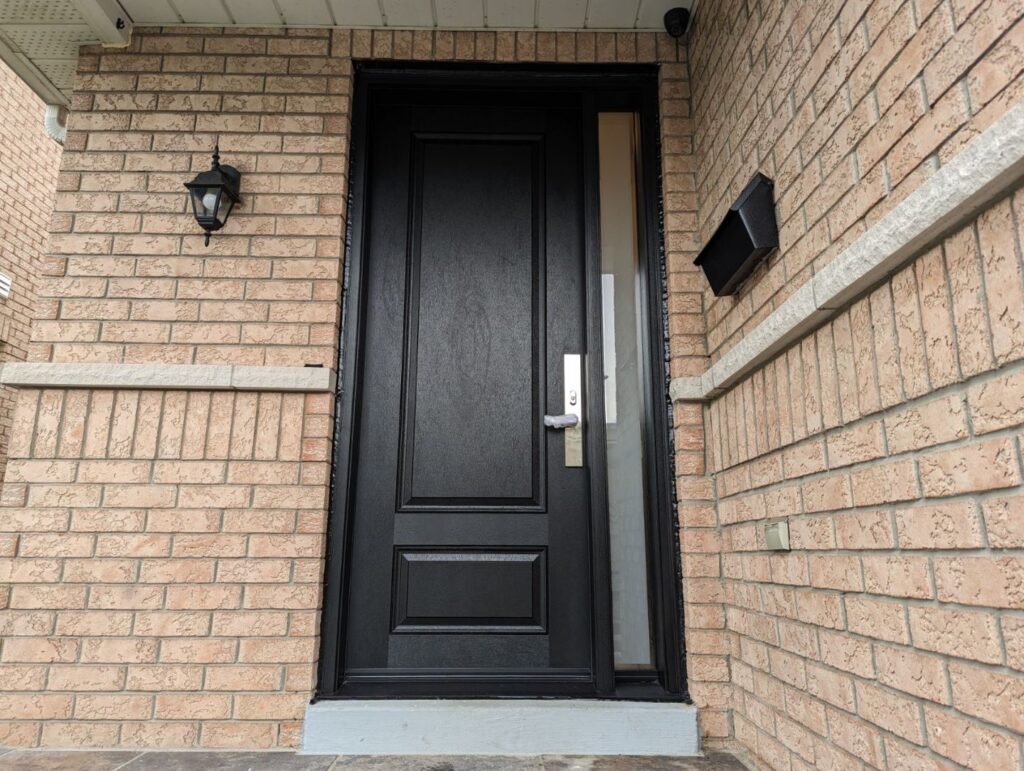
Fiberglass insulated doors are one of the best types of exterior doors to have. They offer excellent insulation due to the added foam cores, which prevents heat from escaping. Additionally, they are highly resistant to fluctuating moisture levels and incredibly durable. They are resistant to cracking, denting, rotting, scratching, and warping, making them the perfect choice if you’re looking for something low maintenance.
Vinyl
Vinyl doors consist of a wooden interior and a vinyl finish. They offer the aesthetic appeal of wood at a fraction of the cost and maintenance. The disadvantage is that they tend to swell and contract with the fluctuating temperature. They also tend to fade over time with exposure to the elements.
Steel
Steel doors are strong, durable, and affordable. If you’re considering this option, just keep in mind that these doors are prone to scratches and dents. Rust is also something you’ll have to actively work against through high-quality coating and finishes as well as regular maintenance.
Wood
The go-to material for many people is wood. It is a classic and versatile option that comes in a variety of colours, styles, and custom options. The downside of wooden doors is that they have poor insulation properties. They don’t do well under extreme temperature and moisture levels, making them susceptible to warping and cracking. This can be prevented through regular maintenance, which involves sealing and refinishing.
Critical Winter-Specific Features
There are a few extra features you can add to winter doors in Toronto to improve energy efficiency. You can add adjustable thresholds, insulated glass panels, and multi-point locking systems.
Adjustable Threshold
Instead of having a static threshold, you can select an adjustable one. This tightens the door sill’s seal with a vinyl top and height-adjustable threshold plate. This makes up for any unevenness on the bottom of the door that would lead to gaps.
Insulated Glass Panels
You can still maintain energy efficiency by opting for insulated glass panels. There are a couple of methods that are used to insulate the panels: using panels with double- or triple-glazing panels and those with Low-E coatings. The latter has the added benefit of UV protection.
Multi-point Locking Systems
The obvious benefit of having multi-point locking systems is security. However, these systems also help your home maintain its heat more efficiently. By adding more points along the edge of the door to lock the door, you reduce the number of areas where a draft can come in.
Weather Stripping and Sealing
It is important to know how to prevent drafts around exterior doors. Weatherstripping forms a tight seal along the door seams, similar to magnetic seals. The best sealing method for exterior doors is compression sealing, which blocks both wind and moisture using a firm yet flexible seal.
Exterior Door Installation Considerations
Once you decide on the material and features of your exterior door, the next thing to consider is the installation. You need someone experienced in cold weather door installation or else the effort you made to select the right door will be pointless. Signs of poor installation include misalignment and gaps, allowing drafts and moisture to get in. A poorly installed door also poses a security risk.
Special Considerations for Toronto Climate Zones
Cold climate doors are necessary for Toronto winters. Wood tends to crack under extreme temperatures. Steel needs regular maintenance to prevent rust in climates with more moisture. Fiberglass works for all the Toronto climate zones, from resisting moisture to salty, windy conditions.
Budget and Cost Considerations
When picking between wood, vinyl, steel, and fiberglass for your exterior door, vinyl is the most affordable option. Another budget-friendly option is steel. Fiberglass doors tend to be the most expensive option available but well worth it.
Remember, when you shop for different materials for energy efficient doors in Toronto, choose doors that have a solid core, rather than a hollow one. At the end of the day, the material you select needs to help you minimize heat loss and maximize energy efficiency. Contact Belleli Doors to replace your exterior doors today!